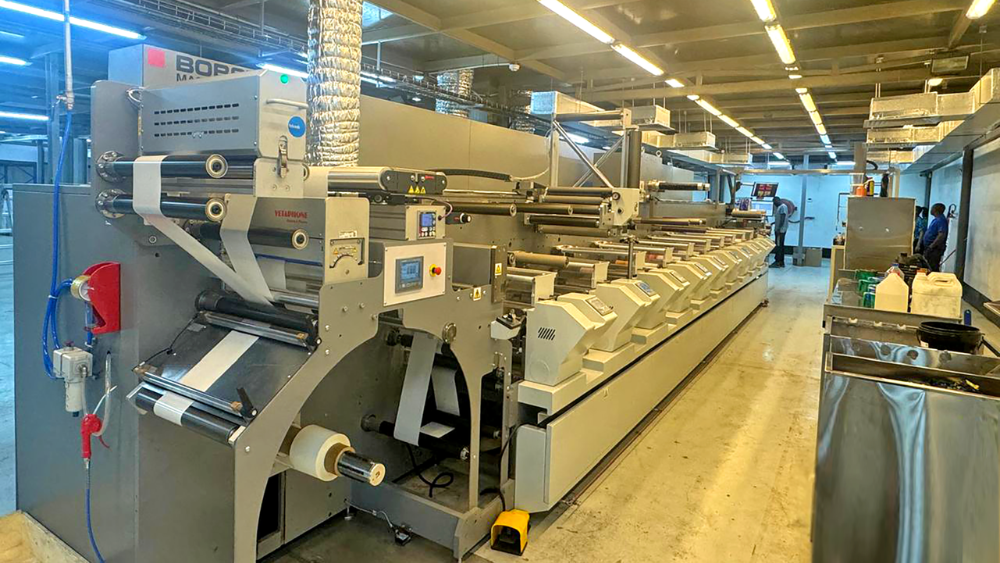
Are you a foreign investor with a great idea for the manufacturing sector in Tanzania? There’s no reason to leave it to others when it comes to turning your dream into reality. To start a manufacturing company in Tanzania, one has to follow the set standards and comply with them.
In this blog, we explain how to start a manufacturing company in Tanzania by following a logical, step-by-step approach. We also review the inner workings of manufacturing businesses and explain why owning or beginning one can be a positive and life-changing career move.
What do manufacturing companies do?
Manufacturing is the conversion of raw materials into goods using tools, labour, and machinery. This broad definition covers nearly every product we use or consume in our homes and businesses, so it is not surprising to learn that there are over 5 million manufacturing businesses in operation around the world today.
While often associated with assembly line operations and large-scale factories where products are automatically or manually moved from one station to the next, manufacturing also encompasses smaller operations where products are hand-crafted one by one.
Step-by-Step Guide to Starting a Manufacturing Company in Tanzania
Successful manufacturing businesses understand the value of completing one step at a time and verifying high-quality output throughout the process. When a patient and methodical approach is often the key to success.
1. Find your niche
You may have plenty of great ideas to start a new manufacturing business in Tanzania, but there is always a chance that someone else has already filled the same gap. Finding your unique niche means examining your business concepts and determining whether there is a viable market for them. If you decide to enter a crowded space, your products should be differentiated by their cost, features, or quality to give you a better chance of building a strong brand following. Studying similar businesses carefully can give you an idea of what is working well and where there may be unmet market needs.
2. Write a business plan
A good business plan is essential for manufacturing companies in Tanzania to document their long- and short-term strategies for product development, manufacturing line layout, and staffing. The manufacturing business plan should also include:
- A mission statement to describe the company’s core values and purpose
- Detailed descriptions of products and the anticipated cost of goods sold (COGS)
- A competitive analysis that illustrates the market opportunity
- A supply chain summary to explain how raw materials will be sourced
A solid manufacturing plan is mandatory when seeking any type of capital investment to launch or grow a budding manufacturing company. The plan should describe in detail how and when the business will become profitable based on the projected cash flow.
3. Secure funding
The costs associated with manufacturing equipment, staffing, and facilities make it likely that a new company will need funding from one or more sources to get started. Thankfully, there are many funding options available for manufacturing business owners, including traditional bank loans, small business loans, venture capital, and business lines of credit..
4. Take care of licenses and permits
For many common types of manufacturing businesses in Tanzania, permits and licenses are considerations that must be addressed. For example, a small business manufacturing snack items will need to secure health department certifications and food handling licenses. Other types of manufacturing businesses must demonstrate compliance with local zoning and waste disposal regulations.
5. Invest in equipment and infrastructure
Starting a manufacturing company in Tanzania usually involves procuring tools and equipment to build products. The expected type, cost, and quantity of equipment you need should be included in your business plan, especially if you need outside financing to secure these. Second-hand equipment can be a great option for trimming startup costs. You should also research electrical, plumbing, lighting, and floor space requirements for your business so you can choose a site that will meet your short- and long-term needs.
6. Hire staff
The manufacturing business process often includes the hiring and management of workers. After you identify initial headcount requirements for operators, inspectors, technicians, and other team members, you will need to advertise these positions and spend time screening and interviewing prospective employees to form a team that fits your company culture. Providing ample time for staffing helps to ensure the hiring process is smooth and that you find the right person for each role.
7. Promote the business
“If you build it, they will come” is a philosophy that has worked for a select few businesses over the years, but for most entrepreneurs, learning how to market is at least as important as learning how to start a factory. No matter what social media, email marketing, or word-of-mouth strategy you choose, creating a compelling website designed for search engine optimisation (SEO) is the first and most important step towards building a credible brand.
Understanding how to manage a manufacturing business
The unique attributes associated with production directly impact the manufacturing business process. All businesses need to carefully manage their cash flow, market their offerings to customers, respond to industry trends, and build a successful brand, but managing a manufacturing business brings additional responsibilities, including:
- Product quality: Manufacturing businesses are responsible for monitoring and continually improving the quality of their products to ensure customers are satisfied. Quality issues are weighed against equally important product cost and order fulfilment priorities.
- Inventory management: Virtual E-commerce businesses must manage their inventory levels to ensure the right items are available for resale, but manufacturing operations require a higher level of inventory control to avoid line-down conditions while minimising excess inventory.
- Regulatory compliance: Depending on the types of products you design and produce, starting a manufacturing company might also involve regulatory challenges related to product quality (Consumer Product Safety Commission, FDA, FCC, etc.), waste disposal, zoning, and employee health and safety.
Frequently Asked Questions on How to Start a Manufacturing Company in Tanzania
Q: How long does it take to register a company in Tanzania?A: The entire process typically takes between 3 and 14 days, provided all documentation is in order and there are no complications.
Q: Do I need to be physically present in Tanzania to register a company?
A: No, the registration can be completed through a power of attorney, allowing you to finalise the process from abroad. However, for opening a bank account and securing certain permits, a visit to Tanzania may be required.
Q: What is the cost of registering a company in Tanzania?
A: Costs include government fees (approximately $250 for local entities) and service fees if using an agent.
Q: Can I operate as a sole proprietor in Tanzania?
A: Yes, sole proprietorship is allowed for locals. However, foreign investors typically need to register a Limited Liability Company (LLC) or another form of incorporated business.
Labor and Employment
Q: Can I hire more foreign workers if necessary?
A: Yes, you can apply for special exemptions if your business requires more foreign employees, especially for technical positions.
Q: What is the local-to-foreign employee ratio required by law?
A: The ratio is 10 local employees for every 1 foreign employee, but exceptions can be granted for specialised roles.
Conclusion
Learning how to start a manufacturing company in Tanzania can be a rewarding experience, especially for those who decide to turn their own unique product ideas into brand-new operations. With the right incentive, planning, and funding approach, creating a factory from the ground up can be easier and faster than you might have imagined. A methodical, step-by-step process is the best way to ensure your product is the right product for the market as you conquer each logistical, regulatory, or financial challenge along the road to success. Should you need assistance, contact us to book a free consultation.
📩 clientservice@afrilinkconsultants.com
📞 +254707280366
🌐 https://afrilinkconsultants.com/