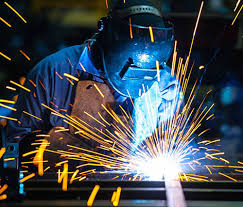
Starting a metal fabrication business offers numerous opportunities for those with the right skills and determination. This industry, vital to various sectors such as construction, automotive, aerospace, and more, invites ambition-driven individuals to create and innovate. Success in metal fabrication hinges on understanding market demands, effective management, and continuously adapting to new technologies. By navigating these essentials, entrepreneurs can carve their niche in a competitive landscape.
Metal fabrication encompasses the process of designing, producing, and assembling metal structures and components. This multifaceted industry involves tools and techniques like cutting, welding, machining, and bending metal to create finished products.
A solid grasp of these core processes lays down the groundwork for launching a successful metal fabrication business. Beyond the technical skills, it’s vital to recognise the types of metal fabrication. Ranging from custom fabrication to mass production, understanding where your capabilities and interests align can direct your business approach.
Focusing on a niche market allows for specialisation, which could result in stronger customer loyalty. Getting professional consulting is instrumental in establishing a robust operational foundation. Expert guidance can help you identify potential pitfalls early on and enable you to make informed decisions that can save both time and resources. Leveraging industry insights can give you a competitive edge, ensuring your business stays ahead of market trends. This proactive approach not only enhances efficiency but also positions your company as a trusted leader in its niche.
Step 1: Register Your Metal Fabrication Business
Before you can begin operations, you’ll need to register your business in Kenya. Foreign investors typically establish a private limited company, while local entrepreneurs may choose between a sole proprietorship, partnership, or private limited company depending on their business goals.
After incorporation, you’ll also need to obtain a KRA PIN, register for applicable taxes, and fulfill other statutory requirements before commencing operations.
Since the company registration process involves several legal and compliance steps, we’ve covered it in detail in our comprehensive guide: How to Register a Company in Kenya (A–Z Guide) . The guide explains the registration process, required documents, timelines, costs, tax registration, and post-incorporation obligations.
Developing your business plan
Developing a thorough business plan is essential for any startup company. A business plan outlines your objectives, market analysis, and competitive landscape while clarifying your value proposition. Specifically for metal fabrication businesses, aspects like equipment needs, sourcing materials, and operational processes must be detailed. This comprehensive plan acts as a roadmap.
It guides you through the critical phases of your startup, making it easier to manage finances and scale operations over time. A well-constructed plan proves advantageous not only for internal guidance but also when seeking funding or investors. Having a clear vision can significantly enhance your credibility among potential partners and clients.
Familiarise yourself with manufacturing laws in Kenya
When starting a metal fabrication company in Kenya, it is important to familiarise yourself with some of the manufacturing laws in Kenya. Here are some of the manufacturing Laws in Kenya:
- Kenya has an accreditation body called the Kenya Bureau of Standards (KEBS), to develops a national accreditation system to ensure the competence of testing and calibration processes. This further underscores the country’s focus on quality assurance and compliance within the manufacturing sector.
- Taxation: Manufacturers are subject to various taxes, including corporate income tax, value-added tax (VAT), excise duty, and customs duties on imported raw materials and machinery. There are tax incentives and exemptions available for certain types of manufacturing activities to promote investment and economic development.
- Intellectual Property Rights: Intellectual property laws protect innovations, inventions, trademarks, and other intellectual property assets created by manufacturers. Businesses may need to register trademarks, patents, or copyrights to protect their intellectual property rights and prevent unauthorised use or infringement.
Choose the right location
Location significantly impacts your metal fabrication business. Look for areas with high demand for metal products while factoring in accessibility to suppliers and customers. Proximity to major industries can minimise transportation costs and create opportunities for collaboration. Consider the zoning laws and local regulations that pertain to your chosen area. These regulations can vary widely based on jurisdiction and may affect everything from waste management to noise levels. Selecting the ideal location establishes a solid foundation and helps ensure long-term growth and compliance.
Invest in quality equipment
The metal fabrication industry necessitates investing in advanced equipment that meets both safety and production standards. Various machinery, including lasers, plasma cutters, and CNC machines, provides precision and efficiency.
Investing in quality reduces future overhead costs related to maintenance and repairs. Ensure that staff are adequately trained to operate machinery safely and effectively. Implementing a culture of safety not only protects your employees but also enhances productivity. Proper training reduces accidents, leading to fewer disruptions in operations and better morale.
A well-thought-out marketing strategy can elevate your metal fabrication business above the competition. Start by identifying your target audience and their preferences. Position your services to meet the specific needs of these customers effectively.
Utilise digital marketing strategies, including SEO and social media platforms, to reach a broader market. Creating a user-friendly website that showcases your portfolio, capabilities, and testimonials builds trust and encourages engagement. Networking within industry-specific events can open new pathways for collaboration and grow your reputation.
Establish strong supplier relationships
Building relationships with reliable suppliers is vital for a smooth operation. Secure good pricing on high-quality materials, as they directly affect your production costs and overall quality.
Suppliers who understand your business goals can become invaluable partners, offering insights on new materials or technologies that enhance production. Consider diversifying your supplier base to mitigate risks associated with reliance on a single source. Establishing backups ensures that your business can continue to operate seamlessly, even during supply chain disruptions.
Maintain quality control
Quality control should be an integral part of your metal fabrication business from day one. Establishing standards ensures that every piece produced meets the specific criteria your customers expect. Implementing regular assessments of processes allows you to quickly identify and rectify any issues.
Continuous improvement in production methods through both feedback and data analysis can enhance product quality and efficiency. Satisfied customers are likely to return, becoming advocates for your brand. This type of reputation positively influences your clientele and fosters trust.
Financial management and pricing strategy
A successful metal fabrication business requires diligent financial management. Create a comprehensive budget that outlines expected revenue and expenses.
Analysing costs associated with materials, labour, and overhead will inform realistic pricing strategies that both cover expenses and generate a profit. Transparency in pricing is essential. Ensure that clients understand the structures behind the costs, which fosters trust and encourages long-term relationships. Offering different pricing options tailored to various client segments may expand your market reach.
However, setting up a metal fabrication in Kenya involves several legal intricacies and regulatory requirements but Afrilink Consultants pulls back the curtain for entrepreneurs and investors who want to delve into the lucrative landscape of metal fabrication. Connect with us today at 254707280366 or send us an email at clientservice@afrilinkconsultants.com to start a metal fabrication company in Kenya.