Table of Contents
- Introduction
- Why Invest in the DRC Mining Sector?
- Key Considerations for Foreign Investors
- Step-by-Step Investment Process
- Taxation and Fiscal Incentives
- Navigating Challenges
- Frequently Asked Questions (FAQs)
- Conclusion
Introduction
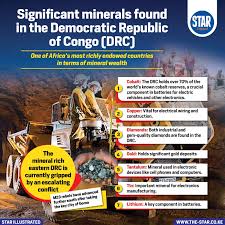
The Democratic Republic of the Congo (DRC) is home to some of the world’s richest mineral reserves, including cobalt, copper, diamonds, gold, and coltan. With global demand for these minerals growing for the battery and tech industries, the DRC’s mining sector presents high-reward opportunities for foreign investors in 2026. However, success in this dynamic market depends on understanding the legal framework, regulatory requirements, and practical steps for compliant investment. This comprehensive guide is designed to help foreign investors make informed, strategic decisions about entering the DRC mining sector.
Why Invest in the DRC Mining Sector?
- Abundant Mineral Resources: The DRC hosts over 1,100 different minerals and precious metals, making it a global mining hotspot.
- Strategic Global Demand: Cobalt and copper are vital for electric vehicles, renewable energy, and electronics, driving sustained international interest.
- Government Reforms: Recent improvements in mining codes and digitalisation of business processes are making the investment climate more transparent and accessible.
- High ROI Potential: Projects in the DRC can yield substantial returns if managed with diligence and compliance.
Key Considerations for Foreign Investors
1. Understand the Mining Code
The DRC’s mining sector is governed by the Mining Code (Law No. 007/2002, amended in 2018). Key points include:
- Licensing classification (prospecting, exploration, exploitation)
- Ownership rules (foreigners can hold majority shares)
- Local partnership requirements in certain cases
- Fiscal and environmental obligations
2. Choosing the Right Investment Structure
Foreign investors can enter the DRC mining sector by:
- Setting up a locally incorporated company (most common and recommended)
- Acquiring a stake in or partnering with an existing local company
- Forming a joint venture with local or international partners
Tip: Before applying for mining rights, your company must be legally registered in the DRC. For a step-by-step guide on this process, see our detailed blog on Company Registration in the DRC.
3. Securing Mining Rights and Licenses
To operate legally, investors must:
- Apply for the appropriate mining license from the Ministry of Mines
- Research/Prospecting Permit
- Exploration Permit
- Exploitation/Mining Permit
- Submit environmental and social impact assessments
- Pay applicable fees and demonstrate technical and financial capacity
4. Due Diligence and Risk Assessment
- Conduct thorough geological surveys and legal due diligence before committing capital.
- Assess infrastructure, logistics, and the security situation in your target region.
- Vet local partners carefully to ensure compliance with anti-corruption and human rights standards.
Step-by-Step Investment Process
- Conduct Market and Geological Research
- Identify high-potential mining sites and commodities.
- Register Your Company in the DRC
- Apply for Mining Licenses
- Submit the application and supporting documents to the Ministry of Mines.
- Include company registration documents, project plan, and environmental assessments.
- Set Up Local Operations
- Open a business bank account in the DRC.
- Register for tax, social security, and employment compliance.
- Obtain Sector-Specific Permits
- If your project involves export, processing, or large-scale operations, apply for additional licenses from relevant authorities.
- Hire Staff and Secure Work Permits
- Employ local staff in compliance with DRC labour laws.
- Obtain work permits and residency visas for expatriate employees.
- Ongoing Compliance and Reporting
- File annual returns, tax reports, and maintain environmental/social compliance.
- Renew licenses as required and participate in regular audits.
Taxation and Fiscal Incentives
- Mining Royalties: Payable as a percentage of production value, rates vary by mineral.
- Corporate Income Tax: Standard rates apply to mining companies.
- Import/Export Duties: Exemptions and reductions may apply for mining equipment and exports.
- Stability Clauses: Certain long-term projects may benefit from fiscal stability agreements with the government.
Navigating Challenges
- Regulatory Complexity: Work with experienced legal and compliance advisors to manage paperwork and avoid delays.
- Infrastructure Gaps: Factor in logistics challenges-roads, rail, and electricity can be limited in mining regions.
- Security and Political Risks: Monitor the local security situation and establish robust risk management protocols.
- Community Relations: Engage proactively with local communities and comply with social responsibility requirements.
Frequently Asked Questions (FAQs)
Can a foreigner fully own a mining company in the DRC?
Yes, foreigners can own 100% of a mining company, although local partnerships are common and sometimes encouraged.
How long does it take to get a mining license in the DRC?
Timelines vary based on the type of permit and completeness of documentation, but initial approvals can take several weeks to months.
What is the minimum capital required?
Minimum share capital depends on company structure and type of mining activity-consult the latest DRC Mining Code or a local advisor.
Are there restrictions on profit repatriation?
Profits can be repatriated subject to tax clearance and compliance with foreign exchange regulations.
Is ESG (Environmental, Social, and Governance) compliance important?
Absolutely. Environmental and social responsibility is strictly regulated and critical for long-term success.
Conclusion
The DRC mining sector offers unmatched potential for foreign investors, but success depends on thorough preparation, legal compliance, and a clear understanding of the local landscape. By following the steps above and partnering with experienced advisors, you can maximise your investment and contribute to sustainable growth in one of Africa’s most promising markets.
Ready to invest in the DRC mining industry?
Afrilink Consultants offers comprehensive support, from company registration to mining license acquisition and ongoing compliance.
Contact us for a free consultation:
📩 clientservice@afrilinkconsultants.com
📞 +254707280366