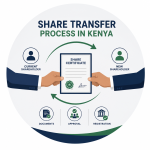
An Employer of Record in Tanzania is a third-party organisation that legally employs workers on behalf of another company. While the client company directs the day-to-day activities of the employees, the EOR takes on responsibility for all formal employment tasks.
EOR services are particularly beneficial for companies looking to expand their global footprint swiftly and compliantly. By partnering with an EOR, businesses can mitigate the risks associated with international employment, such as navigating complex legal requirements and cultural nuances. Additionally, EORs can streamline the onboarding process, manage employment contracts, and handle terminations in accordance with local laws.
How our Employer of Record (EOR) services in Tanzania work
Employer of Record (EOR) services in Tanzania act as the legal employer on your behalf, managing all employment responsibilities while you oversee the employees’ day-to-day activities. Here’s how the process typically works:
Engagement and Onboarding
When your company decides to expand into Tanzania, we facilitate the hiring process by drafting compliant employment contracts and ensuring that all necessary documentation aligns with Tanzanian labour laws. This includes outlining terms of employment, compensation, benefits, and termination conditions.
Efficient Payroll and Tax Management
Managing payroll in accordance with Tanzanian laws requires that salaries, taxes, and social security contributions be calculated accurately. We handle these processes, ensuring timely and correct payments to employees and authorities, and reducing administrative burdens.
Compliance and Legal Responsibilities
We assume responsibility for maintaining compliance with local employment laws, including managing employment contracts, adhering to working hour regulations, and ensuring proper termination procedures. This mitigates legal risks and potential fines for your company.
Employee Benefits and Support
EOR administer employee benefits in line with local standards. This may include health insurance, life insurance, and other statutory entitlements.
Immigration and Work Permits
For companies hiring expatriates, we assist with obtaining the necessary work permits and visas, ensuring that foreign employees are legally authorised to work in Tanzania. This support streamlines the onboarding process for international talent.
What our Employer of Record (EOR) services entail
Access to Local Expertise
At Afrilink Consultants, we have in-depth knowledge of Tanzania’s labour market and cultural nuances, which helps us in effective talent acquisition and management. Our local insights are valuable for companies unfamiliar with the Tanzanian employment operations. These insights include a thorough grasp of the Employment and Labour Relations Act, tax regulations administered by the TRA, social security requirements managed by the NSSF, and existing local HR practices. With our strong track record in Tanzania, we are well-equipped to help you navigate potential complexities and ensure compliance.
Why engage an Employer of Record (EOR) in Tanzania
1. Streamlined Market Entry
EOR services expedite market entry by enabling businesses to hire and onboard employees quickly, often within days, allowing companies to commence operations promptly.
2. Compliance with local labour laws
EOR providers possess in-depth knowledge of local employment regulations, ensuring that employment contracts, tax filings, and social security contributions are managed in accordance with Tanzanian laws, thereby reducing the risk of legal complications.
3. Cost Efficiency
Setting up and maintaining a local business involves major costs, including administrative overhead and legal fees. EOR services eliminate the need for such investments, offering a cost-effective solution for businesses to manage their workforce in Tanzania.
4. Access to Local Expertise
EOR providers offer valuable insights into the local labour market, assisting businesses in understanding cultural nuances, employment practices, and market dynamics. This local expertise helps make informed decisions related to hiring and employee management.
5. Comprehensive HR and Administrative Support
EOR services encompass a range of HR functions, including payroll processing, benefits administration, and employee onboarding. By outsourcing these responsibilities, businesses can focus on their core operations while ensuring that HR tasks are handled efficiently and in compliance with local standards.
Why choose our EOR services in Tanzania?
Expert knowledge of Tanzanian labour laws
Tanzania’s labour laws are subject to frequent changes, and non-compliance can lead to fines or legal complications. Our team stays updated with the latest employment regulations to ensure your business remains compliant.
Customised solutions for your business
Whether you are hiring your first employee or managing a large team in Tanzania, our EOR services are tailored to meet your specific needs. We understand that every business is unique, and we offer customised solutions to ensure smooth operations.
Scalable services
If you need to onboard one employee or manage a growing team, our EOR services are scalable to match your business needs. As your business grows, we ensure that your HR and payroll operations run efficiently, without the hassle of expanding your legal footprint.
Dedicated support
You will have a dedicated point of contact for all HR and administrative matters. This ensures that your queries are resolved quickly, and you can focus on driving your business growth without worrying about your employee management.
Saves your business time and resources
Employing our services as your EOR service provider ensures you are free from issues that might hold back or delay your expansion into the Tanzanian market, saving you time and resources and making sure you work within your business timelines.
What you need for an Employer of Record (EOR) service in Tanzania
- Business information: You will need to provide details about your company, including its legal name, business registration, and nature of operations.
- Employee details: There’s also a need to share information about the employees you want to hire through the EOR. Details should include their roles, job descriptions, and compensation packages.
- Compliance requirements: You have to outline any specific compliance needs or local regulations relevant to your industry or business operations.
- Payroll information: An EOR service provider needs details about your salary structures, benefits, and any other compensation-related data to help find the right candidates.
- Contractual agreements: You will need to work with the EOR to draft and finalise employment contracts that meet Tanzanian legal standards.
- Company policies: You also need to share any internal policies or practices you wish to be integrated into the EOR service.
Employment contracts in Tanzania
In Tanzania, the Employment and Labour Relations Act of 2004 governs working hours and overtime regulations, ensuring fair labour practices and employee well-being.
Standard Working Hours
- Weekly Limit: Employees are permitted to work up to 45 hours per week, typically distributed as 9 hours per day over 5 days.
- Daily Limit: The maximum standard working hours per day are 9 hours, exclusive of a 1-hour unpaid lunch break after 5 continuous hours of work.
- Workweek Structure: Employees may work up to 6 days per week, with the seventh day designated as a rest day.
Overtime Regulations
Any work performed beyond the standard 45-hour workweek qualifies as overtime.
- Daily Overtime Cap: Employees should not exceed 12 working hours per day, inclusive of overtime.
- Four-Week Overtime Limit: Overtime is capped at 50 hours within any four weeks.
- Overtime Compensation:
- Regular Days: Overtime is compensated at 1.5 times the employee’s regular hourly wage.
- Public Holidays: Work on public holidays is compensated at double the regular hourly wage.
Night Work Compensation
- Night Hours: Defined as work performed between 8:00 PM and 6:00 AM.
Additional Compensation: Employees working during night hours are entitled to an additional 5% of their basic wage per hour. However, this does not apply to roles such as security personnel or shift workers, unless specified by law.
What you need for an Employer of Record (EOR) service in Tanzania
- Details about your company: Legal name, address, industry, and contact information.
- Information about the employee(s) you wish to hire:
- Your instructions on payroll processing: Bank details for funding payroll, expense reimbursement policies, etc.
- Confirmation of your compliance with your core business responsibilities: The EOR handles employment-related compliance, but you remain responsible for the work performed by the employee and ensuring a safe working environment according to your industry standards.
- Payroll Processing:
- Calculating and disbursing salaries accurately and on time.Handling statutory deductions. Processing expense reimbursements according to your company’s policy. Providing payslips to employees. Managing end-of-year tax reporting and compliance.
- Benefits Administration:
- Administering legally required benefits such as annual leave, sick leave, and maternity leave.
- Compliance with Tanzanian Labour Laws:
- Ensuring adherence to the Employment and Labour Relations Act (2004) and its regulations. Staying updated on any amendments to Tanzanian labour laws, such as the recent Labour Laws (Amendments) Act, No. 4 of 2025, and ensuring compliance with these changes.
Employment Contracts
Tanzanian law recognises three types of employment contracts:
- Contracts for an unspecified period: Indefinite-term contracts without a fixed end date.
- Contracts for a specified period: Fixed-term contracts, typically used for professionals and managerial positions.
- Contracts for a specific task: Agreements tied to the completion of a particular task or project.
Working Hours and Overtime
The standard working week in Tanzania is 45 hours, usually spread over five days. Employees should not work more than 12 hours per day, including overtime. Overtime work must be mutually agreed upon and is compensated at 1.5 times the regular hourly wage, or double on public holidays.
Leave Entitlements
Employees are entitled to various forms of leave, including:
- Annual Leave: A minimum of 28 consecutive days of paid leave per year.
- Sick Leave: Up to 126 days per year, with full pay for the first 63 days and half pay for the remaining period.
- Maternity Leave: 84 days, or 100 days for multiple births.
- Paternity Leave: 3 days.
Termination and Severance
Termination of employment must be based on valid reasons such as misconduct, incapacity, or operational requirements.
Occupational Health and Safety
The Occupational Health and Safety Act, 2003 mandates employers to ensure the safety, health, and welfare of employees at work. This includes providing a safe working environment, adequate training, and necessary protective equipment.
Compliance and Enforcement
The Labour Division of the High Court of Tanzania handles employment disputes. Employers must adhere to the legal framework to avoid penalties and ensure fair treatment of employees.
These contracts are crucial for defining the terms of employment and ensuring compliance with labour laws
Mandatory Contractual Details
- Employee’s name, age, permanent address, and sex
- Place of recruitment
- Job description
- Date of commencement
- Form and duration of the contract
- Place of work
- Working hours
Payroll Management in Tanzania
- Payroll Cycle: Typically, monthly, with salaries paid as stipulated in the employment contract.
- Minimum Wage: Tanzania does not have a universal national minimum wage.
- Bonus Payments: There is no statutory requirement for a 13th-month salary or annual bonuses. However, some employers may offer bonuses based on company policy or collective agreements.
2. Employment Taxes in Tanzania
Employer Contributions:
- National Social Security Fund (NSSF): Employers contribute 10% of the employee’s monthly salary.
- Workers’ Compensation Fund: Employers contribute 0.5% of the employee’s gross salary.
- Skills Development Levy (SDL): Employers with 10 or more employees must pay 4% of the employee’s gross salary.
Employee Contributions:
- NSSF: Employees contribute 10% of their monthly salary.
Individual Income Tax:
Tanzania employs a progressive income tax system for individuals:
- Up to TZS 270,000: 0%
- TZS 270,001 – TZS 520,000: 8%
Conclusion
Afrilink Consultants simplifies hiring, payroll, talent management, and compliance needs for employees and independent contractors in Tanzania. No need for a subsidiary or entity setup. From contracts and onboarding to taxes, payroll, and admin tasks, partnering with us. Employer of Record in Tanzania- will help you focus on growth for greater success.
Contact Us Today!
Phone: +254 707 280 366
Website: afrilinkconsultants.com
Email: clientservice@afrilinkconsultants.com
Reach out now for expert assistance and reliable support.