How to Register a Business in Africa in 2026: The Complete Step-by-Step Guide That Saves Foreign Investors 40+ Hours of Paperwork
CIPC South Africa, Kenya eProcedures & Beyond — Everything You Need to Legally Launch Your Company Across Africa’s Major Economies
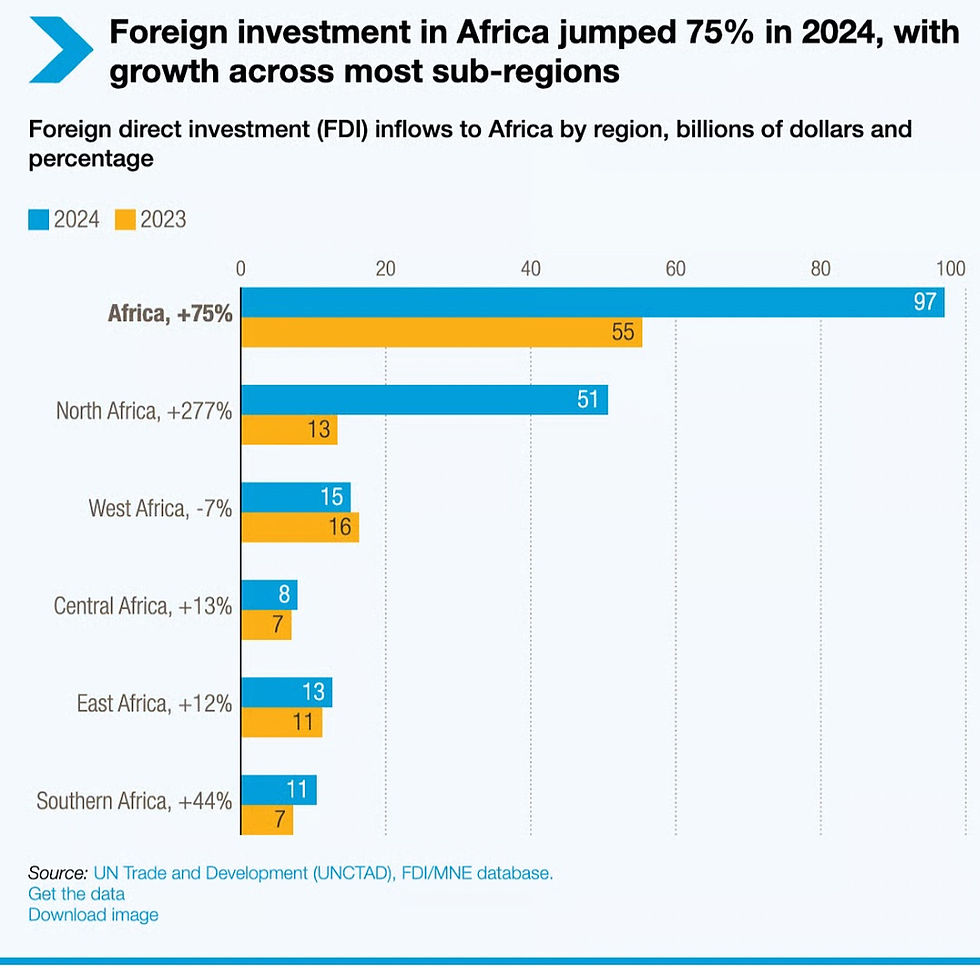
Africa is the world’s fastest-growing investment frontier. With foreign direct investment (FDI) inflows surging by 75% in 2024 and regional trade agreements expanding, smart investors are asking one critical question: How do I actually register a business in Africa without getting buried in bureaucracy?
Whether you’re targeting South Africa’s CIPC portal, Kenya’s streamlined eProcedures for foreign investors, or expanding into Nigeria, Ghana, or Tanzania, the process varies dramatically by jurisdiction. One wrong document upload can delay your launch by weeks.
At Afrilink Consultants, we’ve helped hundreds of international investors navigate company registration across Africa — without ever boarding a flight. This guide breaks down exactly how to register a business in Africa’s major economies, what documents you need, and the hidden compliance traps that catch first-time investors.
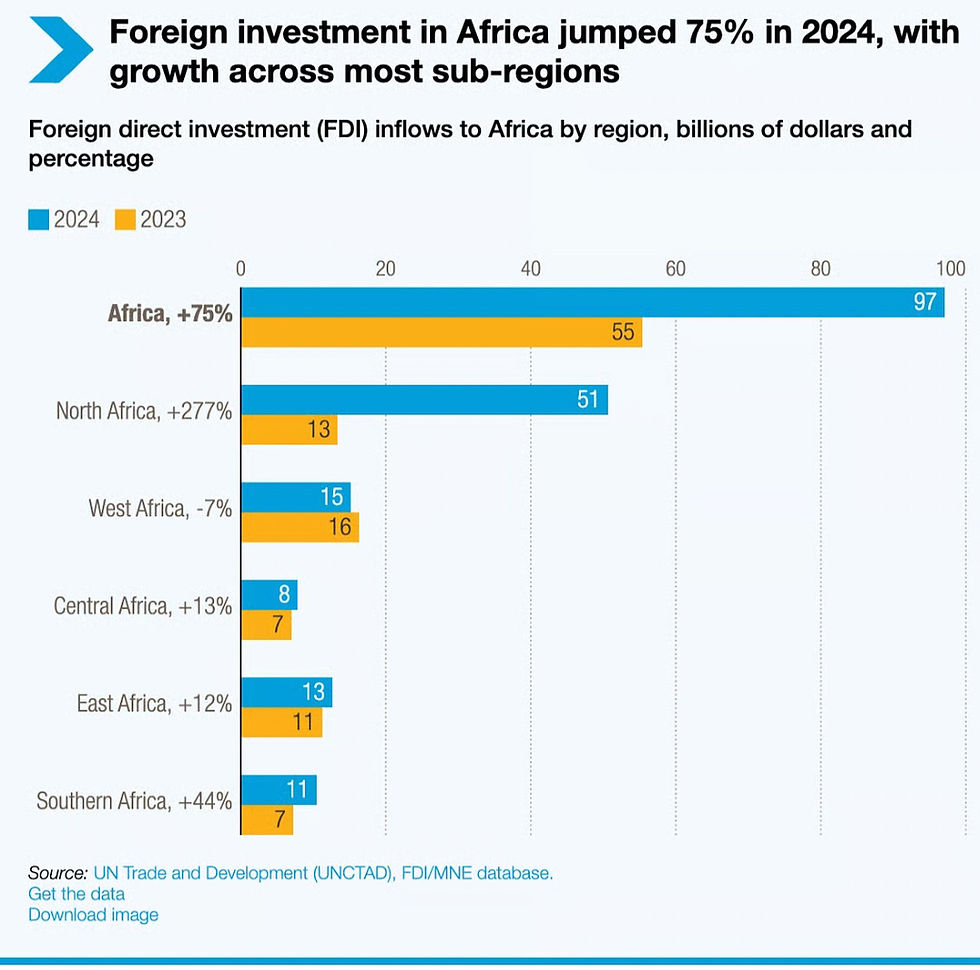
Foreign direct investment in Africa surged 75% in 2024, with growth across most sub-regions. Source: UNCTAD
1. Why Africa? The Investment Landscape in 2026
Africa is no longer just a “frontier market.” With a population of 1.4 billion and the African Continental Free Trade Area (AfCFTA) reducing barriers, the continent is becoming a strategic hub for global expansion.
Key markets leading the charge:
- South Africa — The continent’s most industrialized economy, with the CIPC processing over 400,000 company registrations annually.
- Kenya — East Africa’s financial hub, offering 100% foreign ownership and streamlined eProcedures through the Invest Kenya portal.
- Nigeria — Africa’s largest economy by GDP, with a massive consumer market.
- Ghana — A stable democracy with investor-friendly policies and English-language business operations.
- Tanzania — Rapidly improving infrastructure and growing FDI in agriculture and mining.
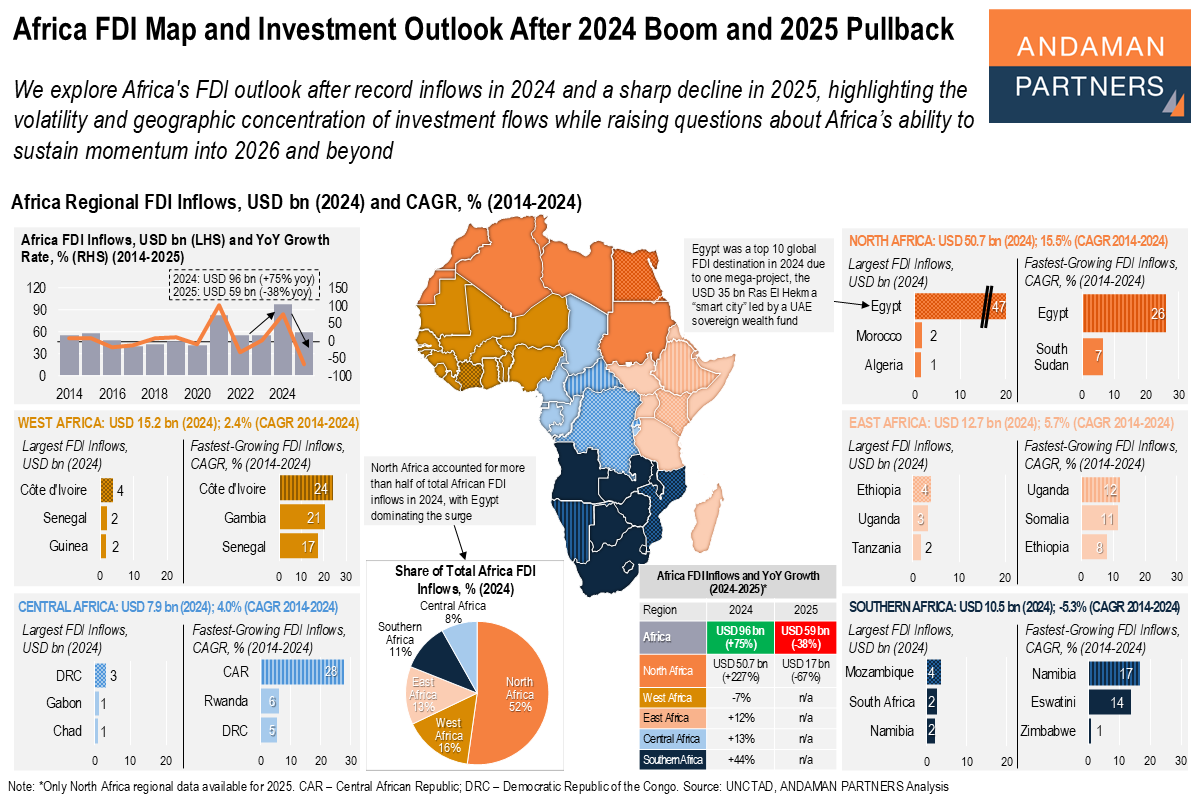
Africa Regional FDI Inflows and Investment Outlook. Source: UNCTAD, ANDAMAN PARTNERS Analysis
2. Business Registration in Africa — CIPC South Africa (The Complete Guide)
The Companies and Intellectual Property Commission (CIPC) is South Africa’s official registrar. If you’re registering a business in Africa’s southern hub, CIPC is your starting point.
What Is CIPC Company Registration?
CIPC registration makes your business a legal entity under South African law. Once approved, you receive a CoR14.3 Certificate of Incorporation, which allows you to open a corporate bank account, register for tax with SARS, and legally trade nationwide.
Step-by-Step CIPC Registration Process
Choose Your Business Structure
Private Company (Pty) Ltd — Best for 90% of businesses. Limited liability, no minimum capital, one director minimum.
Non-Profit Company (NPC) — For social or charitable causes.
External Company — For foreign companies establishing a branch in South Africa.
Reserve Your Company Name
Use the CIPC BizPortal (for South African ID holders) or eServices (for foreign nationals). Submit 1–4 name options. The fee is approximately R50 per name reservation.
Prepare Your Documents
Certified ID copies of all directors (passport for foreign nationals), proof of registered physical address in South Africa (not a P.O. Box), and Memorandum of Incorporation (MOI) — use the standard CoR15.1A template.
Submit Online & Pay
The registration fee for a Private Company is R175. Payment is made via your CIPC customer wallet using debit card, credit card, or EFT. You have a 5-day payment window after submission.
Download Your Certificate
Processing takes 1–7 business days for online applications. Once approved, download your CoR14.3 certificate and MOI immediately.
Post-Registration Compliance
SARS Tax Registration — Automatic for income tax; register separately for VAT if turnover exceeds R1 million.
UIF & COID — Required if you have employees.
B-BBEE Certificate — Essential for government tenders.
Business Bank Account — Required: CIPC certificate, certified ID, proof of address.
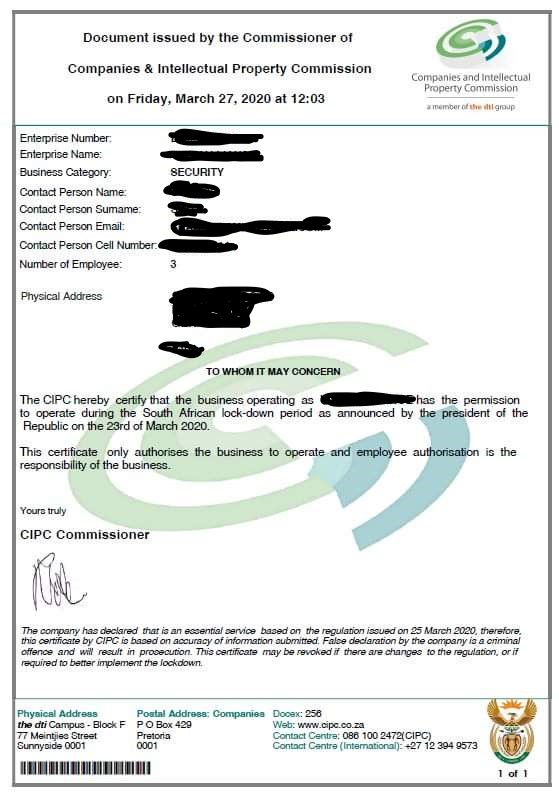
Example of a CIPC-issued business certificate for South Africa company registration
Foreign nationals cannot use BizPortal (it verifies against South Africa’s Home Affairs database). You must use CIPC’s older eServices platform, which has stricter document upload rules. This is where most DIY registrations fail. At Afrilink, we handle this discrepancy for you.
3. How to Register a Business — Step-by-Step Guide for All Major African Countries
Expanding beyond South Africa? Here’s how company registration works across Africa’s other major economies.
🇰🇪 Kenya — The East African Gateway
Kenya is one of Africa’s most attractive destinations for foreign investment. The Business Registration Service (BRS) via the eCitizen portal handles all registrations.
For a Subsidiary (Private Limited Company):
- Name Search & Reservation — Search via eCitizen, pay reservation fee, reserve for 30 days
- Prepare Documents — Form CR1, CR2, CR8, Memorandum & Articles of Association
- Submit via eCitizen/BRS — Upload documents with a registered physical office address in Kenya
- Pay Fees — Government fee is approximately KES 10,650
- Receive Certificate of Incorporation & CR12 — Confirms legal existence
For a Branch (Foreign Company):
- Complete Form FC2
- Attach certified parent company documents
- Appoint a local representative resident in Kenya
- Receive a Certificate of Compliance
Post-Incorporation:
- KRA PIN Registration — Mandatory for all transactions
- Corporate Bank Account — Required for business operations
- Work Permits — Foreign directors need Kenyan work permits
- County Business Permits — Sector-specific licenses may apply
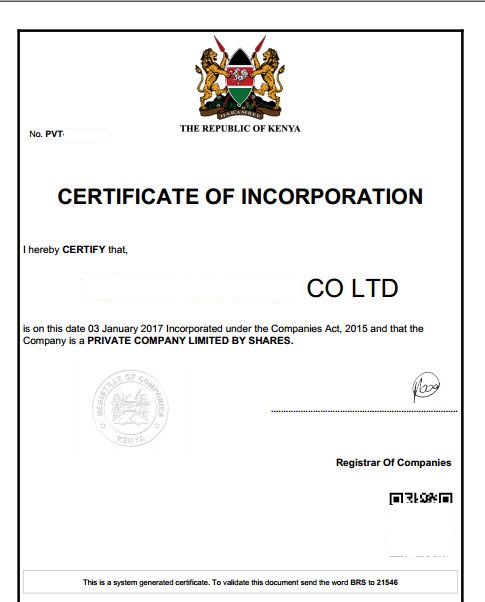
Kenya Certificate of Incorporation issued under the Companies Act, 2015
🇳🇬 Nigeria — Africa’s Largest Economy
- Register with the Corporate Affairs Commission (CAC)
- Requires a minimum of 2 shareholders and 2 directors
- Foreign companies need to comply with Nigerian Investment Promotion Commission (NIPC) requirements
- Must appoint a local company secretary
🇬🇭 Ghana — The Stable Democracy
- Register with the Registrar General’s Department (RGD)
- Foreign-owned companies require a minimum capital of USD 200,000 (or USD 500,000 for trading companies)
- Must have at least one local director resident in Ghana
🇹🇿 Tanzania — The Rising Hub
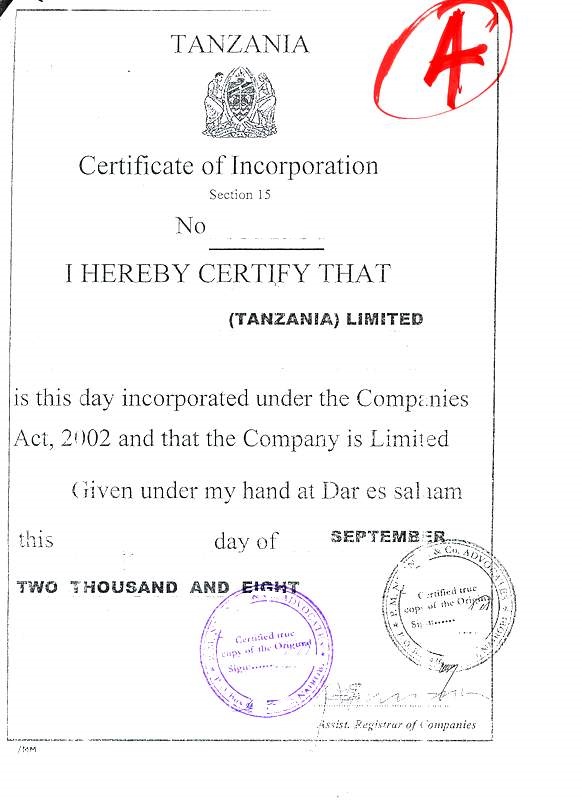
- Register with the Business Registration and Licensing Agency (BRELA)
- Foreign companies must appoint a local director
- Certificate of Incorporation issued under the Companies Act, 2002

Professional business consulting for Africa company registration and expansion
4. Company Registration in Kenya — eProcedures for Foreign Investors
Kenya has revolutionized its investment process through the Invest Kenya e-Procedures Platform. This digital portal is specifically designed to streamline business registration for both local and foreign investors.
What Is the Invest Kenya e-Procedures Platform?
The platform is a centralized digital hub that allows investors to:
- Register businesses online
- Apply for permits and licenses
- Upload and manage required documents
- Make secure online payments
- Track application progress in real time
Key Features for Foreign Investors
- User-Friendly Interface — Simplified application workflows
- Real-Time Updates — Track progress and receive notifications
- Centralized Services — Access multiple regulatory processes in one location
- Transparency — Clear instructions to minimize errors and delays
- Online Payments — Secure gateways for all fees
Step-by-Step: Using Invest Kenya eProcedures
Create an Account
Visit the Invest Kenya e-Procedures portal and register with your contact details. Verify your email to activate.
Select Your Investment Procedure
Browse available procedures categorized by type: business registration, permits and licenses, or foreign company branch registration.
Complete the Online Application
Provide accurate details: business name, type of entity (subsidiary, branch, or local company), local representative details, and nature of business activities.
Upload Documents
Foreign companies must provide: certified Certificate of Incorporation from home country, Memorandum and Articles of Association, Proof of Address in Kenya, and passport copies of directors.
Pay & Track
Use the secure online payment gateway. Monitor your application in real time via the dashboard.
Receive Approval
Once approved, collect your permits and certificates as instructed.
The Invest Kenya eProcedures platform streamlines company registration for foreign investors
While Kenya’s eProcedures platform is world-class, foreign investors often get stuck on document certification requirements. Documents must be certified and notarized in your home country, and if not in English, require certified translations. This is where our clients save an average of 3–4 weeks by getting it right the first time.
5. Common Mistakes Foreign Investors Make (And How to Avoid Them)
❌ 1. Using a P.O. Box as a Registered Address
Kenya and South Africa require a physical address, not a P.O. Box. Solution: Use Afrilink’s virtual office address service.
❌ 2. Incorrect Director Documentation
Foreign directors need certified passport copies, not notarized copies. Solution: We verify document requirements before submission.
❌ 3. Missing Tax Registration Deadlines
South Africa requires SARS eFiling registration within 21 days. Kenya requires KRA PIN before most business transactions. Solution: We handle tax compliance as part of our registration package.
❌ 4. Choosing the Wrong Business Structure
Branch vs. Subsidiary has major tax and liability implications. Solution: Our consultants assess your goals and recommend the optimal structure.
❌ 5. Ignoring Local Licensing Requirements
Every county in Kenya and every province in South Africa has local permit requirements. Solution: We identify all required licenses before you start operations.
6. Why Use a Business Consultant for Africa Registration?
DIY registration is possible, but here’s why 90% of foreign investors use professional consultants:
| DIY Route | With Afrilink Consultants |
|---|---|
| 15–40+ hours of research | Zero research needed |
| High risk of document rejection | 99% first-time approval rate |
| Multiple trips to government offices | 100% remote processing |
| Delayed by 3–8 weeks | Average completion in 5–10 days |
| No local address or representative | Full local presence support |
| No post-registration compliance guidance | End-to-end compliance management |
Afrilink Consultants Services Include:
- ✅ Company registration across all major African countries
- ✅ Work permit & visa facilitation
- ✅ Tax compliance & advisory
- ✅ Office sourcing & virtual addresses
- ✅ Industry-specific licensing
- ✅ Employer of Record services
- ✅ Local partner & distributor sourcing
7. Frequently Asked Questions
Q1: Can a foreigner own 100% of a company in Kenya?
Yes. Kenyan law allows 100% foreign ownership in most sectors. No local partner is required.
Q2: How long does CIPC registration take in South Africa?
Online applications typically take 1–7 business days, assuming name approval is smooth.
Q3: What is the minimum capital requirement for foreign investors in Kenya?
There is no minimum share capital under the Companies Act, 2015. However, a USD 100,000 capital commitment is required to qualify for an Investment Certificate from KenInvest.
Q4: Do I need to visit Africa to register my business?
No. With Afrilink Consultants, the entire process can be completed remotely. We act as your local representative.
Q5: What documents do foreign directors need?
Certified passport copy, proof of address (utility bill or bank statement), Kenyan visa or work permit (for Kenya registration), and South African address (for CIPC registration).
Conclusion
Registering a business in Africa doesn’t have to be a maze of bureaucracy. Whether you’re navigating South Africa’s CIPC portal, Kenya’s Invest Kenya eProcedures, or expanding into Nigeria, Ghana, or Tanzania, the key is preparation and local expertise.
At Afrilink Consultants, we specialize in helping foreign investors establish and grow businesses across Africa — without the headaches, delays, or costly mistakes. From company registration and tax compliance to work permits and office sourcing, we handle the complexity so you can focus on growth.
Ready to Register Your Business in Africa?
Book a Free Consultation with Afrilink Consultants and get your company registered in as little as 5–10 business days — 100% remotely.
Book Your Free Consultation →