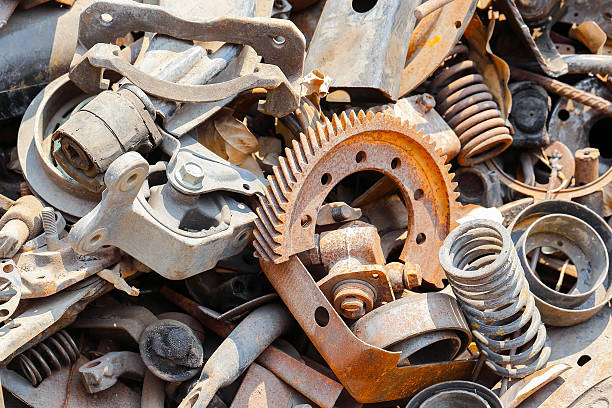
Exporting scrap metal from Kenya offers many opportunities for individuals and businesses alike. As global demand for recycled metals grows, so too does the need for efficient, responsible methods of recycling and exporting scrap metal. Whether you’re an experienced exporter or just starting, understanding the process and the benefits of exporting scrap metal can lead to both economic and environmental rewards.
Kenya is one of the leading exporters of scrap metal, with tonnes of materials leaving the country each year to be processed and reused. There are numerous reasons why exporting scrap metal makes sense, both from an economic and sustainability perspective.
- Economic Benefit: By exporting scrap metal, you can make money from materials that would otherwise go to waste. The global demand for metals such as copper, aluminium, and steel is consistently high, and by tapping into these markets, you can earn competitive rates for your scrap.
- Environmental Impact: Scrap metal recycling helps conserve natural resources and reduces the need for mining, making it a crucial part of global sustainability efforts. Exporting scrap metal contributes to a circular economy by ensuring that these metals are reused rather than discarded.
Before exporting scrap metal from Kenya, there are several factors to consider to ensure a smooth process.
Scrap metal is generally classified into two categories:
- Ferrous metals: These include steel and iron, which are magnetic and commonly used in construction and manufacturing.
- Non-ferrous metals: These metals include copper, aluminium, and lead, which are highly sought after due to their recyclability and value.
Understanding which metals are in demand can help you focus your efforts on collecting and exporting the most profitable materials.
Regulations and legal requirements
Exporting scrap metal from Kenya requires compliance with both Kenya and international regulations. The Environment Agency and other governing bodies regulate the export of scrap metal to prevent illegal trade and ensure environmentally responsible recycling practices. You will need to be aware of:
- Licensing requirements: You must have the necessary permits to export scrap metal.
- Environmental regulations: These ensure that your scrap metal is processed in an environmentally responsible manner.
Working with professionals such as Afrilink Consultants can help ensure compliance with all relevant laws and regulations.
Partnering with a reliable recycling service is crucial when exporting scrap metal. Afrilink Consultants offers expertise in the export process, ensuring your materials are properly sorted, processed, and ready for international markets. Their services include:
- Providing competitive pricing for scrap metal.
- Ensuring compliance with export regulations.
- Offering local collection and delivery services.
Once you’ve gathered your scrap metal, the next step is ensuring it’s properly prepared for transport.
- Packaging: Depending on the type of scrap metal, you may need to compact or shred the metal to make it easier to transport.
- Transport methods: Choose the most appropriate transport method, whether by road, rail, or sea. For large shipments, sea freight is often the most cost-effective option.
The export process step by step
Here’s a quick rundown of the scrap metal export process:
- Collection: Gather your scrap metal and ensure it is sorted by type.
- Sorting and preparation: Work with a trusted recycling partner.
- Documentation: Complete all necessary export documents, including customs declarations and export licenses.
- Transport: Arrange for the delivery of your scrap metal to the port or processing facility.
- Customs clearance: Ensure all customs requirements are met to avoid delays at the border.
Dealing with customs and import regulations
Each country has its own customs regulations when importing scrap metal. It’s essential to understand these requirements to avoid complications at the border. Afrilink Consultants can guide you through the export process and help ensure that you meet all the requirements.
Several factors influence the price of scrap metal, including:
- Market demand: Prices fluctuate based on global demand for metals.
- Metal type: Non-ferrous metals like copper typically fetch higher prices than ferrous metals.
To maximise your profit, register your scrap metal exportation company with Afrilink Consultants to get a streamlined export process.
Frequently Asked Questions
1. Can a foreigner start a scrap metal exporting business in Kenya?
Yes. Foreign investors can establish a scrap metal exporting business in Kenya, subject to the applicable investment, company registration, licensing, and export regulations. Depending on the nature of the business, additional sector-specific approvals may also be required before operations commence.
Yes. Exporters typically operate through a registered legal entity, such as a Private Limited Company. Company registration is usually one of the first steps before applying for tax registration, export-related licences, and other regulatory approvals.
3. What licences are required to export scrap metal from Kenya?
The licences and approvals required depend on the type of scrap metal being exported and the prevailing regulatory framework. Exporters may also need to comply with environmental, customs, and trade regulations before shipments are approved.
4. What types of scrap metal can be exported?
Businesses commonly deal in both ferrous and non-ferrous scrap metals, including steel, iron, aluminium, copper, brass, and stainless steel. However, exporters should always verify whether any export restrictions or licensing conditions apply to specific materials.
5. What documents are required when exporting scrap metal?
Although requirements vary depending on the shipment and destination country, exporters are generally required to prepare commercial export documentation, customs declarations, transport documents, invoices, and any applicable regulatory approvals before goods are shipped.
6. Is the scrap metal export business profitable in Kenya?
The profitability of the business depends on several factors, including global metal prices, sourcing costs, processing efficiency, transportation expenses, regulatory compliance, and the strength of export markets. Businesses with reliable supply chains and strong international buyers are generally better positioned for long-term success.
For the latest legal and regulatory requirements, you may also refer to:
Need More Guidance?
Whether you’re exploring a new investment opportunity or expanding an existing business, understanding the legal and regulatory landscape is essential for long-term success.
At Afrilink Consultants, we help entrepreneurs and investors with:
✓ Company Registration
✓ Business Licensing
✓ Regulatory Compliance
✓ Tax Registration
✓ Market Entry Reports
✓ Immigration & Work Permit Support
Get in touch with our team today to discuss your business goals.
📧 clientservice@afrilinkconsultants.com
📞 +254 707 280366